What is Ranitidine 300 Mg?
Ranitidine 300 Mg is a medication commonly prescribed to reduce stomach acid production. It contains the active ingredient ranitidine, which belongs to a class of drugs known as H2 blockers. These medications work by blocking the histamine receptors in the stomach lining, leading to decreased acid secretion. This process helps alleviate symptoms associated with excess stomach acid.
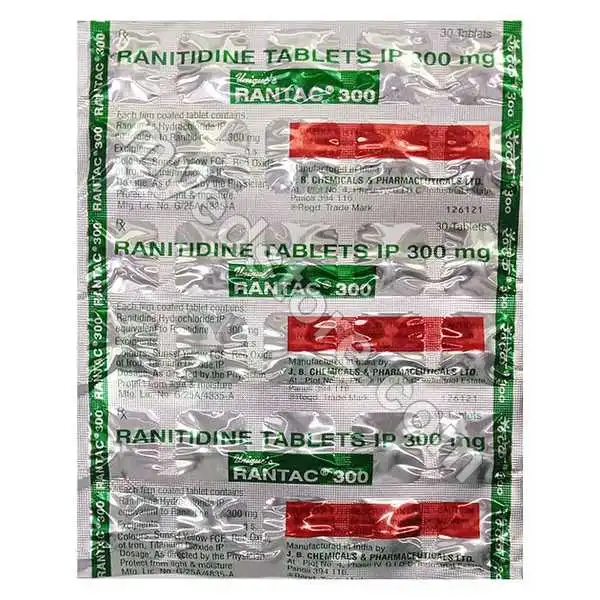
Manufactured by J. B. Chemicals and Pharmaceuticals Ltd, Ranitidine 300 Mg is widely used in Canada and other countries for managing conditions such as acidity, heartburn, and stomach ulcers. It is a trusted choice for both prescription and over-the-counter treatment due to its effectiveness and safety profile when used as directed.
Uses of Ranitidine 300 Mg
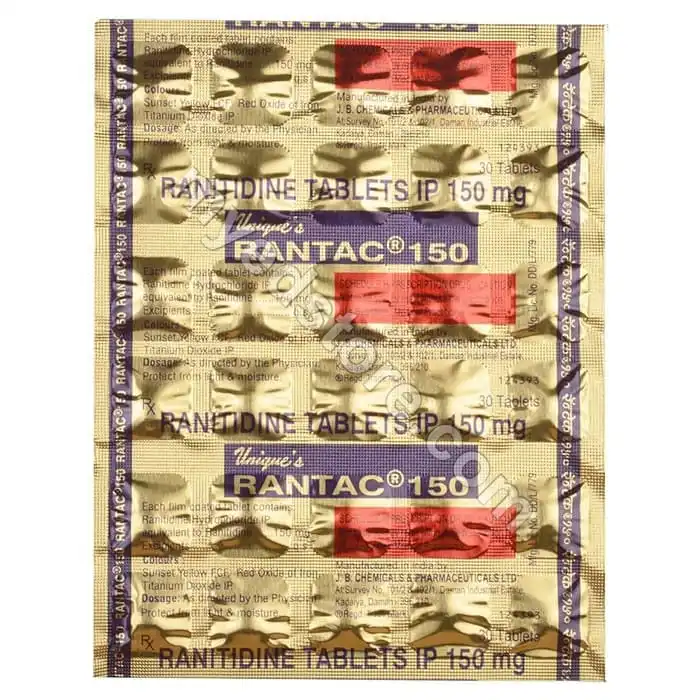
- Relief from acidity and acid reflux, or ranitidine 150 mg at a lower dose
- Treatment of heartburn symptoms
- Management of stomach and duodenal ulcers, alongside pantoprazole 40 mg
- Prevention of ulcers caused by long-term use of nonsteroidal anti-inflammatory drugs (NSAIDs), where misoprostol 200 mcg is also used
- Reduction of stomach acid production in Zollinger-Ellison syndrome
How Ranitidine 300 Mg Works
Ranitidine 300 Mg works by selectively blocking H2 histamine receptors found on the parietal cells in the stomach lining. When these receptors are blocked, the production of gastric acid decreases significantly. This reduction in acid helps heal ulcers and prevents the damage to the stomach and esophagus caused by excessive acid. By controlling acid levels, Ranitidine 300 Mg also relieves discomfort associated with acidity and heartburn.
Benefits of Ranitidine 300 Mg
- Effective reduction of stomach acid, comparable to esomeprazole 40 mg
- Rapid relief from heartburn and acidity symptoms
- Promotes healing of stomach and duodenal ulcers
- Helps prevent recurrent ulcers, much like omeprazole 40 mg
- Improves quality of life by reducing digestive discomfort
Dosage and Administration
The typical dose of Ranitidine 300 Mg is one tablet twice daily, usually taken before meals and at bedtime. However, dosage may vary based on the condition being treated and the patient’s response. It is essential to follow the prescribing healthcare provider’s instructions carefully. Swallow the tablet whole with water; do not chew or crush. Consistency in timing helps maintain effective blood levels for optimal results.
Who Should Use Ranitidine 300 Mg?
Ranitidine 300 Mg is suitable for adults experiencing symptoms of excess stomach acid such as acidity, heartburn, or diagnosed peptic ulcer disease. Patients needing prophylaxis for ulcers due to NSAID use or specific acid-related conditions can also benefit. It is important that usage is under medical supervision, especially for individuals with chronic conditions requiring acid regulation.
Who Should Avoid Ranitidine 300 Mg?
Individuals with known hypersensitivity to ranitidine or any components of the medication should avoid use. Caution is advised for those with severe kidney or liver impairment and those who have a history of gastrointestinal bleeding or obstruction. Pregnant or breastfeeding women should consult healthcare providers before using Ranitidine 300 Mg.
Side Effects
- Headache
- Dizziness
- Diarrhea
- Constipation
- Fatigue
- Muscle pain
- Dry mouth
- Rare allergic reactions such as rash or itching
- Changes in liver enzyme levels (rare)
- Confusion or agitation in elderly patients (rare)
Safety Advice
- Always take Ranitidine 300 Mg exactly as prescribed
- Inform your doctor if you have kidney or liver problems
- Avoid alcoholic beverages during treatment
- Do not use this medication for longer than recommended without medical advice
- Inform your doctor about all other medications you are taking to avoid interactions
- If symptoms persist after two weeks, consult your healthcare provider
- Seek immediate medical attention if signs of allergic reaction occur
Drug Interactions
- Antacids may reduce effectiveness if taken simultaneously
- May affect absorption of drugs requiring acidic environment such as ketoconazole
- Reduced metabolism of warfarin and phenytoin has been reported
- Cimetidine and other H2 blockers, including famotidine 40mg, carry an interaction risk
- Caution when used with alcohol or other CNS depressants
Storage Instructions
Store Ranitidine 300 Mg in a cool, dry place away from direct sunlight and moisture. Keep the medication at room temperature, ideally between 15°C to 30°C. Ensure the tablet container is tightly closed and out of reach of children and pets. Do not use after the expiration date printed on the package.
Where to buy Ranitidine 300 Mg in Canada?
Ranitidine 300 Mg is available through licensed pharmacies and authorized online retailers in Canada. When purchasing online, ensure the source complies with Canadian health regulations to guarantee safety and authenticity. Always consult your healthcare provider before buying to confirm if this medication is suitable for your condition.
Frequently Asked Questions (FAQ)
Is Ranitidine 300 Mg available in Canada?
Yes, Ranitidine 300 Mg is available in Canada via prescription and selected over-the-counter outlets, depending on local regulations and pharmacy policies.
What is the price of Ranitidine 300 Mg in Canada?
The price of Ranitidine 300 Mg varies depending on the pharmacy and location but generally remains affordable. It is recommended to check with local pharmacies or trusted online sellers for exact pricing.
What happens if I miss a dose?
If you miss a dose of Ranitidine 300 Mg, take it as soon as you remember unless it is near the time of your next dose. Avoid doubling doses to compensate for the missed one.
Where can I find Ranitidine 300 Mg for sale?
You can find Ranitidine 300 Mg for sale at licensed pharmacies across Canada or verified online pharmaceutical stores. Always ensure you purchase from trusted sources to avoid counterfeit products.
Can Ranitidine 300 Mg be used long-term?
Long-term use of Ranitidine 300 Mg should only occur under strict medical supervision to monitor for potential side effects or diminished effectiveness.
Are there any food restrictions when taking Ranitidine 300 Mg?
No specific food restrictions exist, but avoiding spicy or acidic foods may help reduce symptoms related to acidity.
Can I use Ranitidine 300 Mg with other medications?
Some medications may interact with Ranitidine 300 Mg. Always inform your healthcare provider about any other drugs you take to prevent adverse interactions.
Conclusion
Ranitidine 300 Mg is a trusted and effective medication for managing acidity, heartburn, and stomach ulcers. Its mechanism in reducing stomach acid provides significant symptom relief and promotes healing. Manufactured by J. B. Chemicals and Pharmaceuticals Ltd, this medication is accessible and safe when used as directed under medical supervision. If you are experiencing acid-related digestive issues, Ranitidine 300 Mg offers a valuable treatment option to improve digestive comfort and quality of life.



Leave A Review