

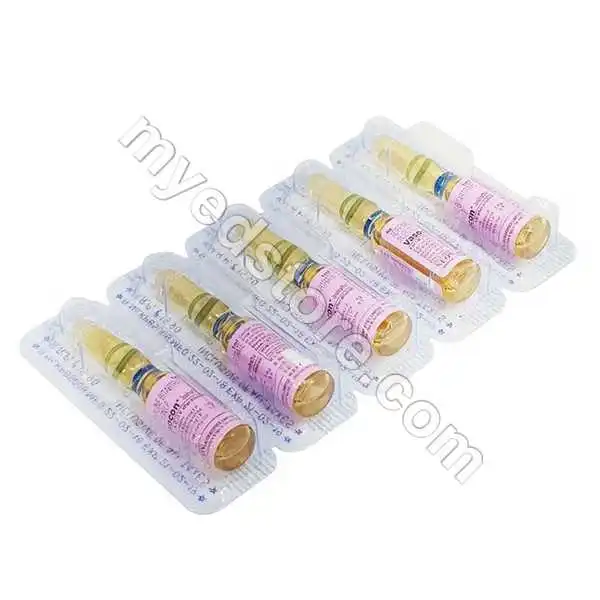
Adrenaline / Epinephrine
| Active Ingredient: | Adrenaline (Epinephrine) |
|---|---|
| Indication: | Severe allergic reactions, Cardiac arrest |
| Manufacturer: | Neon Laboratories |
| Packaging: | 1 ml in 1 Ampuole |
| Strength | 1mg |
| Delivery Time: | 6 To 15 days |
Write a review
Adrenaline / Epinephrine | ||||
|---|---|---|---|---|
| 1mg | Price | Price/unit | Qty | Cart |
| 10 Injection/s | $12.50 | $1.25 / Injection | ||
| 20 Injection/s | $17.50 | $0.88 / Injection | ||
| 30 Injection/s | $22.50 | $0.75 / Injection | ||
Alternative Medicine
View MoreWhat is Adrenaline / Epinephrine?
Adrenaline / Epinephrine is a vital medication commonly used in emergency medicine to manage severe allergic reactions and cardiac arrest. It is a naturally occurring hormone produced by the adrenal glands, but for medical purposes, it is synthetically made. This medicine is manufactured by Neon Laboratories and is essential for rapid intervention in life-threatening conditions where prompt action can be lifesaving.
Uses of Adrenaline / Epinephrine
Adrenaline / Epinephrine has several critical medical uses, primarily in emergencies. Its main indications include:
- Severe allergic reactions (Anaphylaxis): Used to counteract symptoms such as swelling, difficulty breathing, and low blood pressure.
- Cardiac arrest: Administered during resuscitation efforts to restore heart rhythm.
It may also be used in specific cases of asthma exacerbations and to prolong the effects of local anesthetics in minor surgical procedures.
How Adrenaline / Epinephrine Works
Adrenaline / Epinephrine works by stimulating alpha and beta-adrenergic receptors in the body. This mechanism results in:
- Constriction of blood vessels (vasoconstriction): This increases blood pressure and reduces swelling.
- Relaxation of airway muscles: Helping to improve breathing during allergic reactions.
- Increased heart rate and strength of heart contractions: Enhancing blood flow during cardiac arrest.
This multifaceted action makes Adrenaline / Epinephrine a crucial emergency drug for restoring critical bodily functions.
Benefits of Adrenaline / Epinephrine
- Rapid response: Quickly reverses symptoms of anaphylaxis, preventing fatal outcomes.
- Restores cardiac function: Increases the chance of survival during sudden cardiac arrest.
- Easy administration: Available in auto-injectors and injectable solutions for quick use.
- Effective airway management: Helps in opening blocked airways during severe allergic responses.
Dosage and Administration
Dosage must be individualized based on the condition treated, patient age, and severity. Typical guidelines include:
- Anaphylaxis: Immediate intramuscular injection, often 0.3 mg for adults and 0.15 mg for children.
- Cardiac arrest: Intravenous or intraosseous injection of 1 mg every 3-5 minutes during resuscitation.
Always seek professional medical advice before administration and ensure usage follows the prescribed instructions. Training on administration technique is highly recommended.
Who Should Use Adrenaline / Epinephrine?
Adrenaline / Epinephrine is primarily indicated for patients who are at risk of severe allergic reactions, including those with known allergies to insect stings, foods, or medications. It is also essential for healthcare professionals managing cardiac arrest and related emergencies. Patients with previous anaphylactic episodes should carry it as prescribed by their physician.
Who Should Avoid Adrenaline / Epinephrine?
Use caution or avoid Adrenaline / Epinephrine in individuals with:
- Certain heart conditions such as uncontrolled hypertension or arrhythmias unless in cardiac arrest situations.
- Known hypersensitivity to adrenaline or any of its components.
- Patients using certain medications that might interact adversely (consult safety advice section).
Possible Side Effects
While Adrenaline / Epinephrine is lifesaving, it can cause side effects including:
- Tremors, anxiety, and nervousness
- Increased heart rate and palpitations
- Headache or dizziness
- Paleness or sweating
- Rare severe allergic reactions or tissue damage at injection site if improperly administered
Most side effects are transient but report any unusual or severe symptoms to a healthcare provider immediately.
Safety Advice
To ensure the safe use of Adrenaline / Epinephrine:
- Always check the expiry date before use.
- Use the appropriate dose for the indication.
- Administer intramuscularly for allergic reactions, and intravenous only under medical supervision in cardiac arrest.
- Seek emergency medical assistance after administration; this is an initial treatment, not a replacement for professional care.
Proper training and adherence to guidelines can prevent complications and maximize the effectiveness of the medication.
Drug Interactions
Adrenaline / Epinephrine can interact with several medications, such as:
- Beta-blockers, which may reduce its effectiveness.
- Digoxin, increasing the risk of arrhythmias.
- Monoamine oxidase inhibitors (MAOIs) or certain antidepressants, increasing the risk of hypertension.
Always inform your healthcare provider about all medications and supplements you are taking before using Adrenaline / Epinephrine.
Storage Instructions
Store Adrenaline / Epinephrine in a cool, dry place protected from light and heat. Keep it at room temperature, between 20-25°C (68-77°F). Avoid freezing. Replace auto-injectors or vials according to expiry dates. Always have access to this medication if you have a history of severe allergies.
Where to buy Adrenaline / Epinephrine?
You can buy Adrenaline / Epinephrine through licensed pharmacies and trusted online suppliers such as Myedstore.com. Purchasing from a reputable source helps ensure the authenticity, quality, and safety of the medication. Myedstore.com offers a convenient platform for accessing healthcare products while emphasizing reliable sourcing. Before purchasing, always verify the product packaging, batch number, and expiry date. It is also important to follow your country's regulations regarding prescription medications and consult a qualified healthcare professional to ensure Adrenaline / Epinephrine is appropriate for your medical needs.
Frequently Asked Questions (FAQ)
How long does it take for Adrenaline / Epinephrine to work?
Adrenaline / Epinephrine acts within minutes, often immediately, which is critical during emergencies such as anaphylaxis or cardiac arrest.
What should I do if Adrenaline / Epinephrine does not work?
If symptoms persist or worsen after administration, call emergency services immediately. Additional medical treatment and monitoring may be necessary.
Can I take Adrenaline / Epinephrine with other medicines?
Some medications may interact with Adrenaline / Epinephrine. Inform your doctor about all current medications to avoid adverse interactions.
Is Adrenaline / Epinephrine safe for older adults?
Yes, it is safe when used as prescribed. Older adults should use it under medical supervision due to potential heart-related risks.
What happens if I miss a dose?
Adrenaline / Epinephrine is used in emergency situations, not as a regular daily medication, so missed doses are uncommon. Carry your prescribed dose if you are at risk of severe allergies.
Can side effects be prevented?
Using the correct dose, proper administration technique, and under medical guidance helps minimize side effects. Immediate medical attention is important if side effects occur.
Is it safe to use Adrenaline / Epinephrine daily?
No, Adrenaline / Epinephrine is intended for emergency use only and not for daily consumption.
Conclusion
Adrenaline / Epinephrine is an essential emergency medication that provides rapid relief during severe allergic reactions and cardiac arrest. Manufactured by Neon Laboratories, it offers life-saving benefits through its effective action on the cardiovascular and respiratory systems. Proper administration, adherence to safety guidelines, and timely use are crucial for its success. If you or a loved one is at risk of anaphylaxis, having access to Adrenaline / Epinephrine and knowing when and how to use it can be life-saving.
No reviews yet.
Adrenaline / Epinephrine Is Out Of Stock
Sorry! Adrenaline / Epinephrine Is Out Of Stock.
Please click below to view other similar medications.

Leave A Review