What is Warfarin 1 mg?
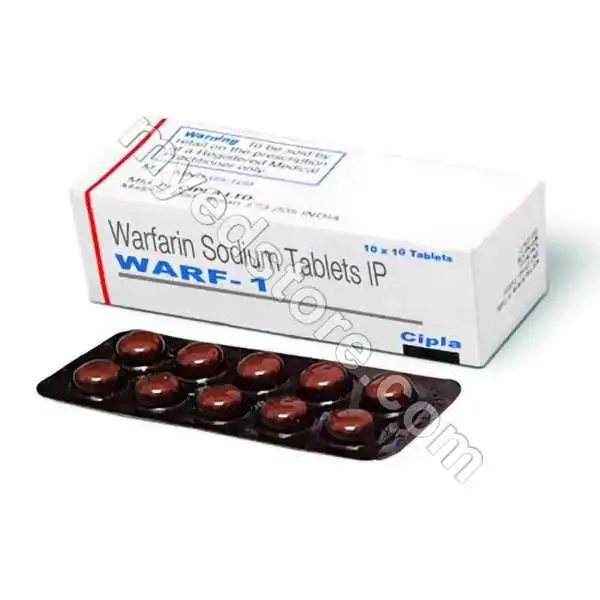
Warfarin 1 mg is a widely prescribed oral anticoagulant medication used to help prevent blood clots. Manufactured by Cipla Limited, this medication is specifically formulated at a low dose strength to provide an effective and manageable anticoagulation therapy option. The product is trusted in Canada and around the world for managing conditions related to abnormal clotting.
Warfarin belongs to a class of drugs known as vitamin K antagonists, similar to nicoumalone. It works by reducing the blood's ability to form clots, which is particularly important in individuals at risk of dangerous clotting events such as stroke, deep vein thrombosis, or pulmonary embolism. Carefully monitored usage helps maintain the balance between preventing clots and avoiding excessive bleeding.
Uses of Warfarin 1 mg
- Prevention and treatment of deep vein thrombosis (DVT)
- Reduction of pulmonary embolism risk
- Prevention of stroke in patients with atrial fibrillation
- Management of patients with mechanical heart valves
- Prevention of clotting in certain medical conditions affecting the heart and blood vessels
How Warfarin 1 mg Works
Warfarin 1 mg works by inhibiting the action of vitamin K, an essential factor in the blood clotting process. By disrupting vitamin K-dependent clotting factors, Warfarin reduces the blood's ability to coagulate, helping prevent formation of harmful clots in the arteries and veins. This mechanism makes it effective in lowering the risk of stroke and other serious cardiovascular complications triggered by abnormal clotting.
The medication requires careful dosing and regular blood tests to monitor the International Normalized Ratio (INR) – a measure used to determine how quickly your blood clots. Proper monitoring ensures therapeutic effectiveness while minimizing the risk of adverse effects, especially bleeding.
Benefits of Warfarin 1 mg
- Effective prevention of life-threatening blood clots
- Reduces risk of stroke in high-risk patients
- Low-dose option allows tailored treatment
- Widely available and trusted brand from Cipla Limited
- Supports long-term cardiovascular health management
Dosage and Administration
Warfarin 1 mg should be taken exactly as prescribed by a healthcare professional. Dosage varies depending on individual patient factors, including the reason for therapy and blood test results. Typically, treatment begins with a low dose which is later adjusted based on INR measurements, and some patients move to higher-strength warfarin.
It is important to take Warfarin at the same time each day, with or without food, to maintain stable blood levels. Patients must not alter the dose or frequency without consulting their doctor to avoid complications such as excessive bleeding or clot formation.
Who Should Use Warfarin 1 mg?
Warfarin 1 mg is suitable for adults diagnosed with conditions that increase clotting risk. This includes individuals with atrial fibrillation, mechanical heart valves, history of venous thromboembolism, or specific clotting disorders as determined by a healthcare professional. Patients requiring long-term anticoagulant therapy can benefit from this medication under strict medical supervision.
Who Should Avoid Warfarin 1 mg?
Warfarin 1 mg is not recommended for:
- Individuals with active bleeding or bleeding disorders
- Patients with severe liver or kidney disease
- Women who are pregnant or breastfeeding without professional advice
- Those allergic to warfarin or any ingredient in the medication
- Patients scheduled for surgery without proper anticoagulant management
Side Effects
- Easy bruising
- Prolonged bleeding from cuts
- Nosebleeds
- Bleeding gums
- Dark or red urine
- Persistent bleeding from wounds
- Unexplained heavy menstrual bleeding
- Dizziness or weakness
- Severe headaches
- Unusual pain or swelling
Safety Advice
- Regularly monitor INR as directed by your physician
- Avoid sudden changes in diet, especially foods rich in vitamin K
- Inform all healthcare providers you are taking Warfarin before any procedures
- Do not consume alcohol excessively while on this medication
- Use caution when brushing teeth to prevent gum injury
- Report any signs of unusual bleeding immediately
- Store medication securely away from children
Drug Interactions
- Antibiotics may increase Warfarin effects
- Nonsteroidal anti-inflammatory drugs (NSAIDs) and aspirin increase bleeding risk
- Some antifungal medications alter Warfarin metabolism
- Certain herbal supplements like ginkgo biloba can affect blood clotting
- Other blood thinners such as apixaban, rivaroxaban or dabigatran may intensify anticoagulation
Storage Instructions
Store Warfarin 1 mg tablets at room temperature, away from moisture and direct sunlight. Keep the medication in its original packaging until use. Ensure it is kept out of reach of children and pets. Do not use Warfarin past the expiration date stated on the packaging.
Where to buy Warfarin 1 mg in Canada?
Warfarin 1 mg is available through licensed Canadian pharmacies with a prescription. Patients are advised to purchase from reputable sources to ensure product quality and authenticity. Online pharmacies with Canadian licenses also provide safe purchasing options, often with convenient home delivery services.
Frequently Asked Questions (FAQ)
Is Warfarin 1 mg available in Canada?
Yes, Warfarin 1 mg is available in Canada with a valid prescription and can be obtained from licensed pharmacies.
What is the price of Warfarin 1 mg in Canada?
The price of Warfarin 1 mg varies depending on the pharmacy and insurance coverage. It is generally affordable and covered under many health plans.
What happens if I miss a dose?
If you forget to take a dose, take it as soon as you remember unless it is close to the time for your next dose. Do not double up to make up for a missed dose. Consult your healthcare provider if unsure.
Where can I find Warfarin 1 mg for sale?
You can find Warfarin 1 mg for sale at licensed Canadian pharmacies and trusted online retailers with proper medical authorization.
Can I take Warfarin 1 mg with other medications?
Some medications interact with Warfarin, so always inform your doctor about any other drugs you use to avoid adverse interactions.
How often should I have blood tests while on Warfarin?
Regular blood tests are needed to monitor your INR levels. The frequency depends on your condition and doctor’s instructions but usually ranges from weekly to monthly testing.
Can I consume alcohol while taking Warfarin 1 mg?
Alcohol can affect Warfarin's effectiveness and increase bleeding risk. Limit or avoid alcohol and consult your healthcare provider for guidance.
Conclusion
Warfarin 1 mg is a trusted anticoagulant medication widely used to prevent blood clots and reduce the risk of stroke and embolism in at-risk patients. Manufactured by Cipla Limited, it offers a low-dose option that allows for precise treatment management. Proper use under medical supervision, along with regular blood monitoring, ensures its safety and efficacy for patients in Canada and worldwide.


Leave A Review